
Winter Power Bills on the Central Coast, Where the Power Goes and the Fixes That Help
The Bill That Doubles in July
Most Central Coast households notice it every year: the power bill climbs through winter, sometimes sharply. The coast doesn't get alpine cold, but the cooler months still drive up electricity use in predictable ways, and understanding where the power actually goes is the first step to spending less on it. The good news is that several of the biggest drains have practical electrical fixes, not vague advice to "use less," but real changes that reduce the bill without making the house less comfortable.
Where Winter Electricity Goes
Three things dominate a winter bill: heating, hot water, and lighting (which runs longer through dark evenings). Heating is usually the biggest single jump. Electric heaters, especially older or portable ones, draw a lot of power for the warmth they produce, and heating a whole house with them is expensive. Hot water is a steady, often-underestimated cost that rises in winter as incoming water is colder and showers get longer. Lighting climbs simply because the lights are on more hours.
Knowing the split matters, because it tells you where money spent on efficiency actually pays back. There's little point fussing over phantom standby loads while an old electric heater and an inefficient hot water system quietly dominate the bill.
Heating: The Biggest Lever
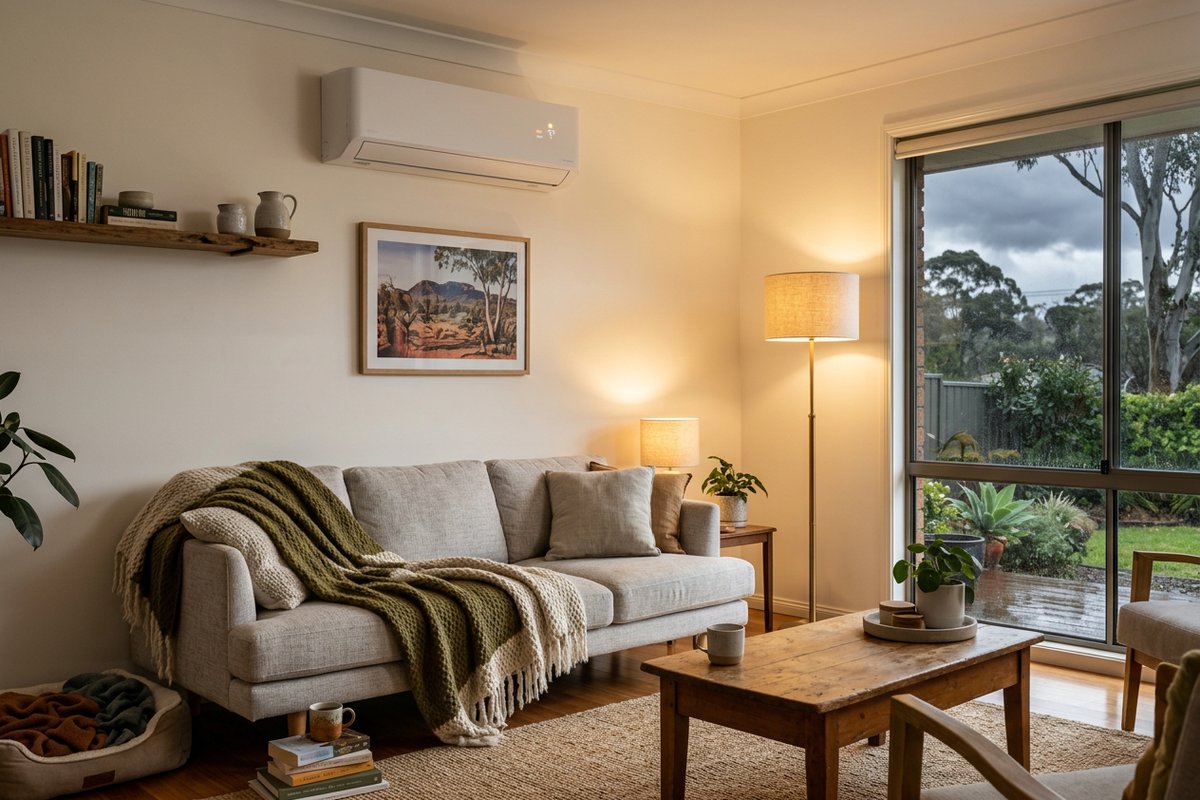
The most effective heating change is moving from resistive electric heaters to a reverse-cycle air conditioner (heat pump) for the rooms used most. A reverse-cycle system produces several times more heat per unit of electricity than a bar or fan heater, because it moves heat rather than generating it. For a home leaning on portable electric heaters, this is usually the single biggest winter saving available. An electrician handles the circuit and connection side of an installation, ensuring the supply suits the unit.
Hot Water and the Heat-Pump Option
Hot water is the quiet winter cost. Older electric storage systems are simple but not efficient, and a failing element or thermostat can push consumption up without obvious signs. Switching to a heat-pump hot water system, which uses the same move-the-heat principle as a reverse-cycle air conditioner, cuts hot water energy use substantially. Where a full switch isn't on the cards, ensuring the system runs on an off-peak tariff and that the supply and connections are sound keeps it as economical as possible. These changes involve electrical work and are scoped by a licensed electrician.
Lighting and the Smaller Wins
If a home still runs older halogen or incandescent lighting, switching to LED is one of the easiest savings, cutting lighting energy use dramatically for light that's on more hours in winter. Beyond that, sensor and timer control stops lights running in empty rooms, and addressing any circuits that seem to draw more than they should, which an electrician can investigate, closes off hidden waste. None of these match heating and hot water for impact, but together they trim the edges.
Solar, Batteries and Tariffs in Winter
Winter is where a home's energy setup is tested hardest, and it's worth knowing how the bigger pieces behave. Solar still generates in winter, just less than in summer, with shorter days and a lower sun angle, so a home that runs heating and hot water in the evening draws more from the grid exactly when solar isn't producing. That's part of why home batteries appeal: storing daytime solar to use during the costly evening peak makes more difference in winter than in summer. Tariffs matter too. Many homes are on time-of-use pricing without realising it, where power costs more during peak evening hours. Shifting heavy loads like hot water heating and dishwashers to off-peak periods, and checking that the tariff actually suits the household's pattern, can cut a bill without changing a single appliance. An electrician can advise on the wiring and metering side of these options.
Frequently Asked Questions
What uses the most power in winter?
Heating is usually the biggest jump, followed by hot water, with lighting adding more as evenings get darker. Older electric heaters and inefficient hot water systems tend to dominate a winter bill, which is why efficiency efforts pay back most when aimed there.
Is reverse-cycle heating really cheaper than electric heaters?
Generally, yes, by a wide margin. A reverse-cycle air conditioner moves heat rather than generating it, producing several times more warmth per unit of electricity than a resistive bar or fan heater. For homes relying on portable heaters, it's often the biggest available winter saving.
Can switching to a heat-pump hot water system cut my bill?
It can reduce hot water energy use substantially, since it uses the efficient move-the-heat principle rather than directly heating with an element. Whether it suits your home depends on the existing setup and space, which an electrician can assess.
Do LED lights make a real difference to the bill?
For lighting specifically, yes, LEDs use a fraction of the power of halogen or incandescent lights, and the saving is more noticeable in winter when lights run longer. It won't transform a bill dominated by heating, but it's one of the easiest wins available.
Want to Cut Your Winter Power Bill on the Central Coast?
Get a free, no-obligation quote from a local licensed electrician serving Terrigal and the Central Coast.