

Storm Season Electrical Checklist for Central Coast Homes
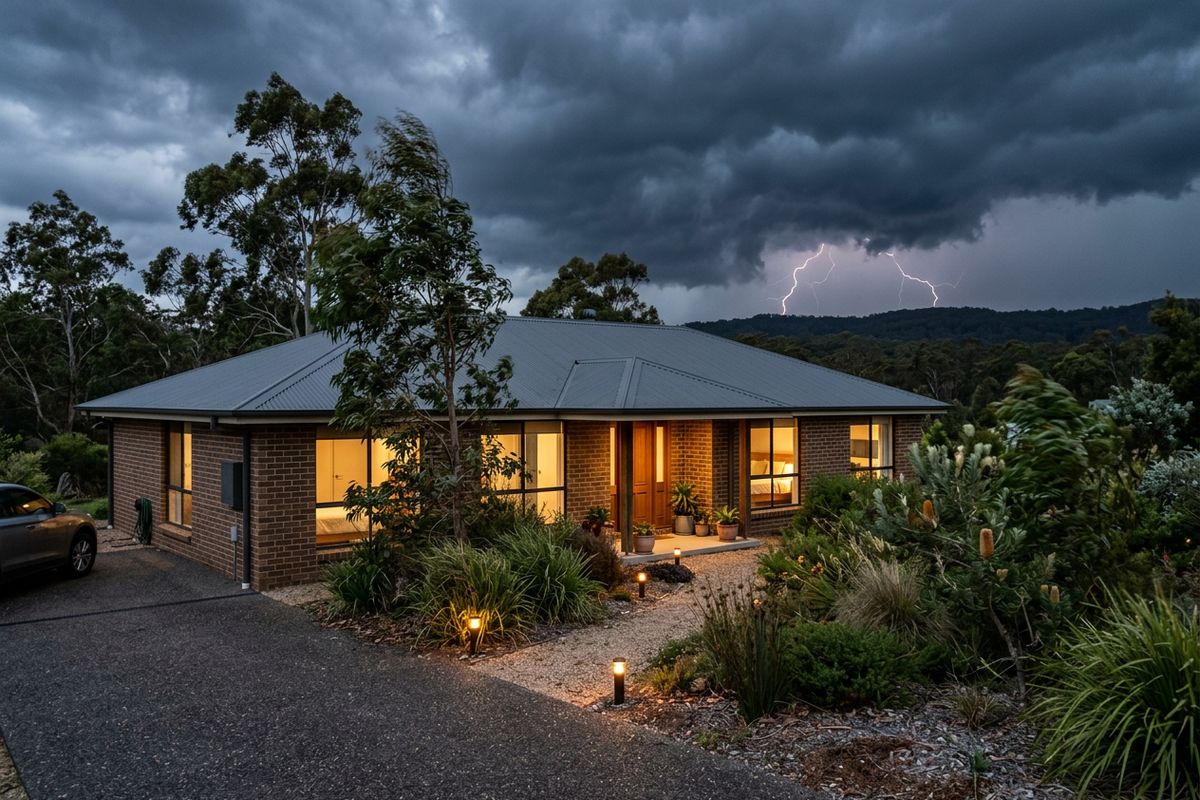
When the Sky Turns Green Over the Coast
Central Coast summers bring spectacular storms, and a spike in electrical call-outs every time one rolls through. Lightning, driving rain, and the power cuts that follow all put a home's electrical system under stress, and a bit of preparation before the season makes the difference between weathering a storm comfortably and dealing with damage afterward. This checklist covers the practical electrical steps worth taking before and during storm season, none of which require an emergency and most of which are simple.
Before the Season: Protection
The single most effective step is whole-home surge protection, a surge diverter fitted at the switchboard by a licensed electrician. Storms send voltage spikes down the power lines, and a diverter clamps those before they reach your circuits and appliances. It protects everything in the home, including hardwired equipment a plug-in protector can't reach. If your home doesn't have one, before storm season is the time to consider it.
It's also worth having an electrician check the switchboard and any outdoor electrical fittings before the season. Outdoor outlets, lights, and connections take a beating from coastal weather, and a fitting that's let moisture in is both a fault risk and exactly the kind of weak point a storm exploits. Confirming the safety switches work, by pressing their test buttons, means the protection is ready before it's needed.
Before the Season: Preparation
A few non-electrical-trade steps help too. Know where your switchboard is and how to safely turn off power if needed. Have a torch (not candles) accessible, and keep phones and any backup batteries charged when a storm is forecast. If you rely on power for medical equipment, have a plan for outages and let your energy provider know, as priority arrangements may be available.
During a Storm
When a storm is active, unplugging sensitive electronics, computers, TVs, and the like, gives the surest protection, because nothing beats physical disconnection against a nearby strike. If a whole-home surge device is fitted, the risk is much lower, but unplugging the most valuable gear during a severe storm is still cheap insurance. Avoid using electrical appliances connected to plumbing during a lightning storm, and stay clear of any fallen powerlines outside, always assume they're live and keep well away.
After a Storm
Once it's passed, a few checks are worth doing. If the power went out and came back, look for anything that didn't restart properly or is behaving oddly, a sign of a possible surge hit. Check that safety switches haven't tripped, and if one won't reset, that points to a fault that needs an electrician rather than repeated resetting. If any outdoor fitting took water or visible damage, have it checked before relying on it. And if you ever notice a burning smell, scorching, or buzzing from the switchboard or an outlet after a storm, stop using that circuit and get it inspected.
If the Power Stays Off
Most outages are short, but storm season on the coast occasionally brings longer ones when the network takes damage. A few things make an extended outage easier. Keep the fridge and freezer closed, a full freezer holds its temperature for many hours if left shut. Know that anything relying on mains power, including some cordless-phone bases and internet equipment, will be down, so a charged mobile is your lifeline. If outages are a recurring concern for your household, it's worth a conversation with a licensed electrician about options such as a changeover switch for portable backup power or, increasingly, a home battery that can keep essential circuits running through an outage. These are planned upgrades rather than storm-day fixes, but the lead-up to storm season is the natural time to consider them.
Frequently Asked Questions
Does surge protection stop all storm damage?
It greatly reduces the risk from the voltage spikes storms send through the power lines, protecting the whole home from the switchboard. It can't guarantee against a direct lightning strike, which can overwhelm any protection, so unplugging the most valuable electronics during a severe storm adds a further layer.
Should I turn off power at the switchboard during a storm?
You don't usually need to, especially with surge protection fitted. Many people choose to unplug sensitive electronics during a severe storm as extra insurance. Knowing how to safely turn off power is useful for other situations, like a fault or flooding.
Why did my safety switch trip during the storm?
Storms can cause surges and let moisture into outdoor circuits, both of which can trip a safety switch, it's doing its job. If it resets and holds, the cause has passed; if it won't reset, there's a fault to be located, which is a job for an electrician.
Are my outdoor power points a risk in heavy rain?
Properly rated, weatherproof outdoor outlets are designed for it. Older or damaged outdoor fittings that let water in are a risk, which is why checking them before storm season is worthwhile. Any outdoor fitting showing damage should be inspected before use.
Want Your Home Storm-Ready on the Central Coast?
Get a free, no-obligation quote from a local licensed electrician serving Terrigal and the Central Coast.