

Smoke Alarm Requirements for Terrigal Homes, The NSW Rules
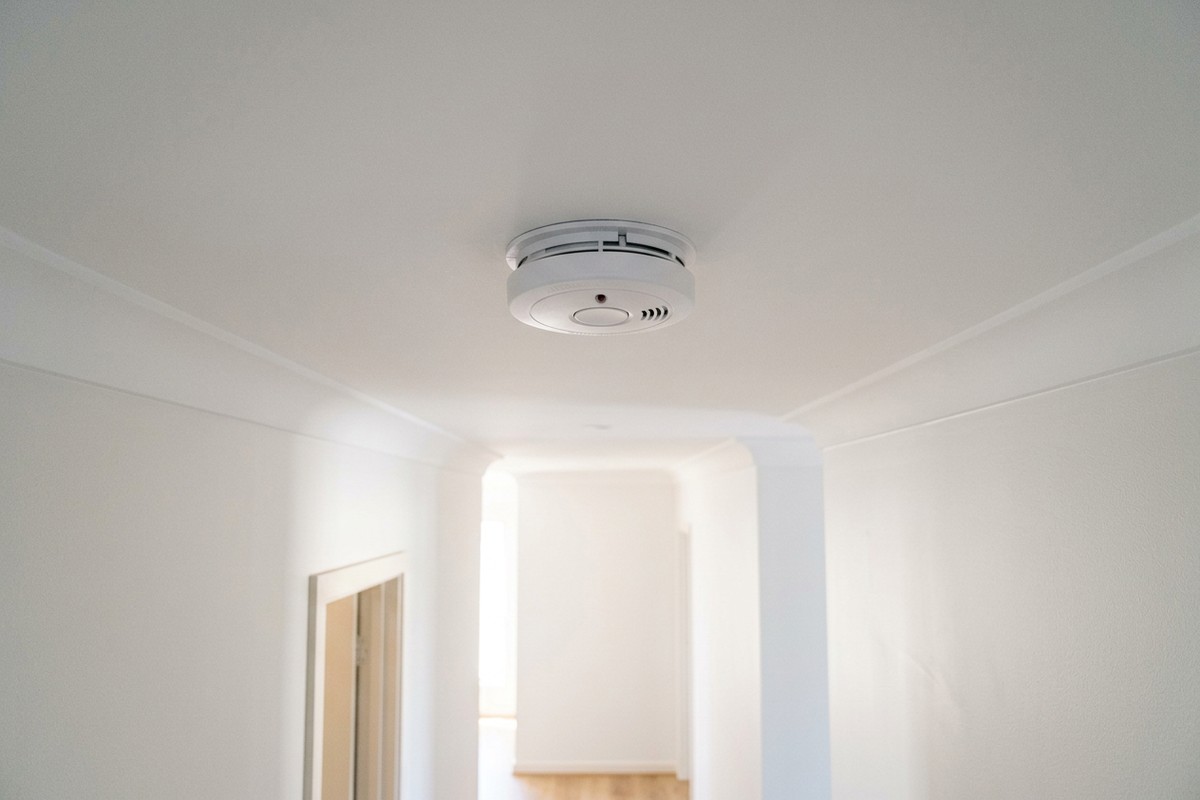
The Cheapest Life-Saving Device in the House
A smoke alarm is the least expensive piece of safety equipment in a home and the one most likely to actually save a life. NSW law sets clear requirements for them, and yet plenty of Terrigal homes run alarms that are expired, poorly placed, or fewer than the rules require. Understanding what's actually required, and what genuinely works, takes the guesswork out of getting a home properly protected.
What NSW Requires
Every residential dwelling in NSW must have working smoke alarms installed. At a minimum, alarms are required on each level of the home and in areas that serve sleeping zones, typically hallways and paths of travel between bedrooms and the rest of the house. The clear best-practice direction, and the standard for new builds and significant renovations, is interconnected alarms: when one alarm detects smoke, all of them sound together. That matters because a fire that starts at one end of the house will wake people at the other end before smoke reaches them.
Alarms also have a service life. Most smoke alarms are designed to be replaced around every ten years regardless of how they test, because the sensing element degrades over time. Beyond that, the standard advice is to test alarms regularly and replace batteries as needed in battery units.
Photoelectric vs Ionisation
Australian guidance has moved firmly toward photoelectric smoke alarms. They respond well to the smouldering, smoky fires that are most common in homes, the kind that start in soft furnishings or wiring overnight, and they're far less prone to nuisance alarms from cooking and steam than older ionisation alarms. For most homes, photoelectric alarms are the recommended choice throughout.
Hardwired vs Battery
There are two main types: hardwired alarms connected to the home's electrical supply with a battery backup, and standalone alarms powered by a long-life (often ten-year) sealed battery. Hardwired interconnected alarms are the standard for new homes and are wired in by a licensed electrician, with the interconnection allowing them to trigger together. In existing homes, wireless-interconnected battery alarms can achieve the same all-sound-together protection without running new cabling, which makes upgrading an older home more practical.
Hardwiring and interconnecting alarms is electrical work and is done by a licensed electrician, who also ensures placement meets the requirements and the alarms are positioned away from spots prone to false alarms, like directly outside a bathroom or too close to the kitchen.
Rentals and Landlord Obligations
Rental properties carry specific obligations. Landlords in NSW are responsible for ensuring working smoke alarms are installed and maintained in rented homes, including replacing alarms that have reached the end of their service life and addressing faults within set timeframes. Owners of investment properties on the Central Coast should make sure their alarms meet the current rental requirements, as these have tightened in recent years.
Where Alarms Should, and Shouldn't, Go
Placement is as important as having the right number. Alarms work best mounted on the ceiling, near the centre of the room or hallway, away from corners where air movement is poor and smoke is slow to reach. They should be kept clear of spots that cause false alarms: directly outside a bathroom, where steam triggers them; too close to the kitchen or cooktop; and near ceiling fans or air-conditioning vents, where moving air can disperse smoke before it's detected. In homes with high or raked ceilings, positioning needs more thought, since smoke behaves differently in those spaces. Getting placement right is part of why having an electrician install and position alarms, rather than sticking them up wherever's convenient, pays off in alarms that trigger early and don't get disabled out of frustration with nuisance beeping.
Frequently Asked Questions
How many smoke alarms does my home need?
At minimum, alarms are required on every level and serving the sleeping areas, but the safer standard is interconnected alarms positioned so the whole home is covered. The exact number depends on the home's layout, which an electrician can assess.
What's the difference between photoelectric and ionisation alarms?
Photoelectric alarms respond better to smouldering, smoky fires and are less prone to nuisance triggers from cooking, which is why they're now the recommended type for homes. Ionisation alarms are older technology and more likely to false-alarm near kitchens.
Do smoke alarms really need replacing every ten years?
Yes. The sensing element in a smoke alarm degrades over time, so alarms are designed to be replaced around the ten-year mark even if they still seem to work. Check the manufacture date printed on the alarm.
Can I install interconnected alarms in an older home?
Yes. Hardwired interconnected alarms can be installed by an electrician, and where running cabling isn't practical, wireless-interconnected battery alarms give the same all-sound-together protection, a good option for retrofitting an existing Terrigal home.
Need Smoke Alarms Sorted in Your Terrigal Home?
Get a free, no-obligation quote from a local licensed electrician serving Terrigal and the Central Coast.