

Renovation Electrical Work in Terrigal, The Decisions Renovators Leave Too Late
The Expensive Mistake Is the One Left Too Late
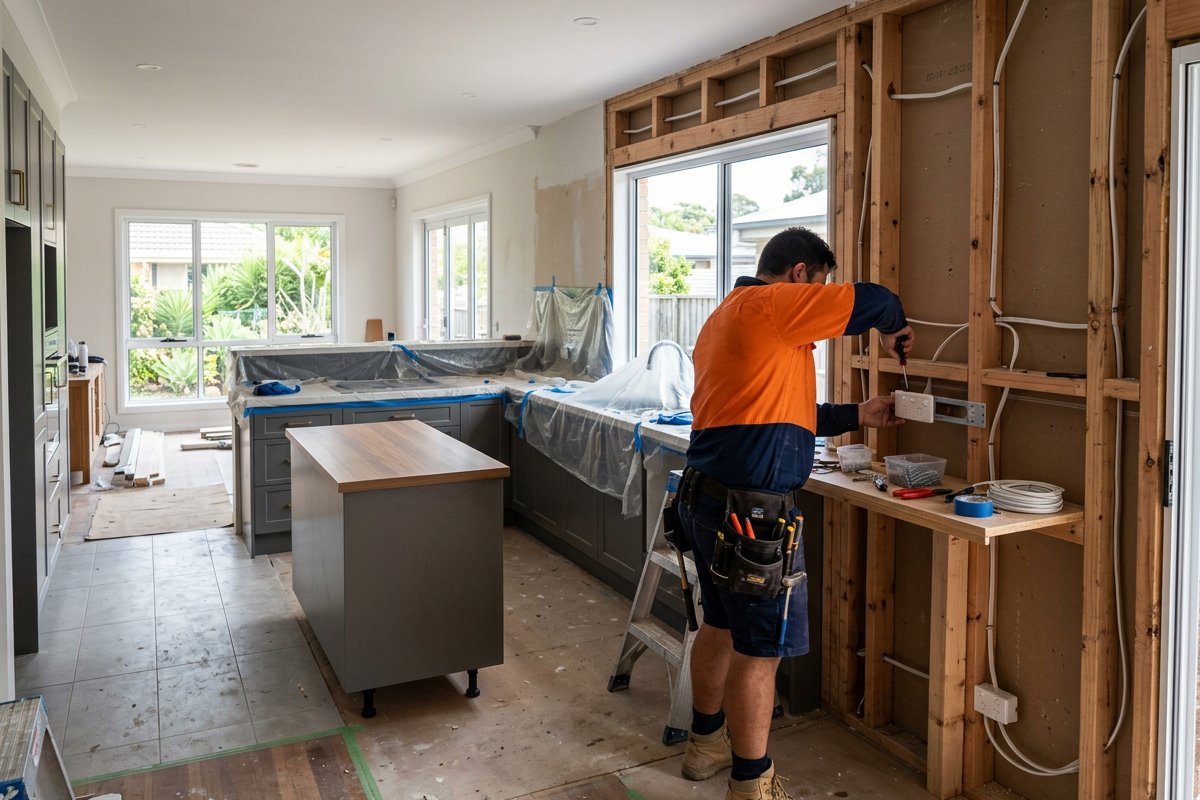
The cheapest electrical mistake in a renovation is the one you plan for. The expensive one is the decision left too late, the point that's discovered in the wrong place after the tiling is done, or the old wiring found once the walls are already open and the budget is already spent. Renovation electrical work is rarely the most glamorous line in a project, but it's one of the easiest to get wrong by leaving it until last. The cost of an electrical decision rises sharply the further into the build it's made, and the savings come from thinking it through before the trades arrive.
Bringing the Electrician In Too Late
The single most common renovation mistake is treating the electrician as someone who turns up near the end to connect things. By then, the cabinetry is ordered, the layout is fixed, and the chance to position points and lighting where they're actually wanted has passed. An electrician consulted during the design stage, before demolition, before fittings are ordered, can shape the layout while changes still cost nothing. Left to the end, the same changes mean cutting open finished walls, and what would have been a pencil line on a plan becomes a patch-and-repaint job.
Underestimating the Scope
Renovations almost always involve more electrical work than the plan first suggests. Relocating and adding points for a new layout, upgrading old fittings to modern LED lighting, running dedicated circuits for new appliances, adding exhaust fans and rangehoods, and provisioning outdoor power for a deck or entertaining area all add up. A kitchen in particular is the most electrically demanding room in a home, and a kitchen renovation usually means new circuits for ovens, cooktops, and dishwashers as well as repositioned points and task lighting. Bathrooms carry their own strict zoning rules that dictate where fittings and points can sit near water. Mapping the full scope early stops the electrical work becoming a series of mid-build surprises. It is also worth thinking about the rooms that are not being renovated but share circuits with the work area, since changes in one part of the home can affect others. Listing every electrical change room by room before the quote stage gives the electrician the full picture and keeps the budget honest from the outset.
Forgetting the Compliance Trigger
This is the surprise that catches renovators out. Under the AS/NZS 3000 wiring rules, a significant alteration to a home's electrical system can trigger an obligation to bring the affected circuits up to current standards, which can mean safety-switch protection and switchboard work that wasn't in the original plan. It's not optional, and discovering it mid-renovation is far more disruptive than allowing for it from the start. A good electrician raises it early so it's budgeted rather than sprung halfway through, when the money has already been committed elsewhere.
Budgeting for the Old-Wiring Surprise
Opening up walls in an older Terrigal home sometimes reveals wiring that's aged, damaged, or no longer compliant. It's better found during a renovation, when the walls are already open, than left hidden behind a finished surface, but it does need addressing, and it does add cost. The sensible approach is to allow some contingency for it rather than assuming everything behind the plaster is sound. Renovators who budget for the possibility take it in their stride; those who don't end up cutting somewhere else to cover it. Treating it as a likely find rather than a remote risk keeps the project on track.
Frequently Asked Questions
When should I involve an electrician in my renovation?
At the design and planning stage, before demolition and well before cabinetry and fittings are ordered. Early involvement is when layout and budget decisions are still easy to make, and it gives the electrician a chance to flag compliance work before it becomes a surprise.
Will my switchboard need upgrading as part of the renovation?
Possibly. If the board is old, lacks safety-switch protection, or doesn't have capacity for the new circuits, an upgrade becomes part of the job. The electrician confirms this when assessing the scope, ideally early enough to fold the cost into the overall budget.
Can I stay living in the house during the work?
Usually, yes. The power may be off for periods, particularly when circuits are rerouted or the switchboard is changed, but most renovations are staged to keep the home liveable. The electrician will let you know which days will involve outages so they can be planned around.
What happens if old or unsafe wiring is found?
The electrician flags it and explains the options. Finding it during a renovation is the good time to deal with it, while access is already open, rather than leaving a known problem behind a finished wall. Allowing a little contingency in the budget means it doesn't derail the rest of the project.
## Site 3, Tier 2 Blog Posts (16 posts)
Status: COMPLETE, imported via CSV as drafts; Article schemas + CTA buttons placed per post.
Renovating in Terrigal?
Get a free, no-obligation site assessment from a local licensed electrician serving Terrigal and the Central Coast.