

Electrical Checks Worth Doing Before You Buy a Home in Terrigal
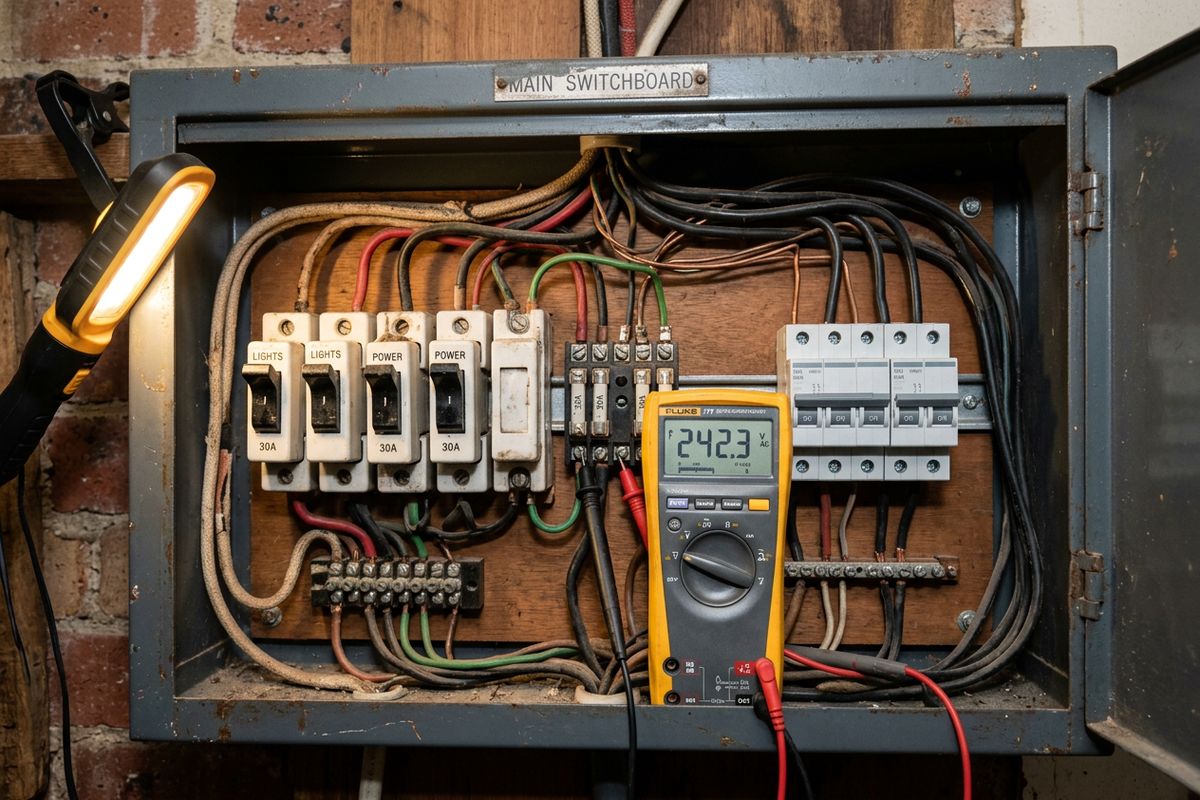
The Inspection Most Buyers Skip
When buying a home, most people arrange a building and pest inspection without a second thought, but the electrical system, one of the most expensive things to put right if it's wrong, often gets only a passing glance. A standard building inspection is not an electrical inspection, and it won't tell you whether the wiring is safe, the switchboard is adequate, or there's a rewire lurking in your near future. For a Terrigal buyer, a bit of electrical due diligence before signing can save a significant unexpected cost and, more importantly, flag genuine safety issues.
Why It Matters at Purchase
Electrical work is hidden by nature, behind walls, in the roof, inside the switchboard, so problems aren't obvious on a walk-through. A home can look freshly renovated and still have original wiring from decades ago, or a switchboard that won't support modern needs. Discovering that after you've moved in turns it into an urgent, unbudgeted expense; discovering it before you buy lets you factor it into your decision and your offer. Older homes and homes with obvious DIY history are where this matters most.
What to Look For Yourself
Before bringing in a professional, there are signs a buyer can spot on an inspection. Open the switchboard and look for ceramic fuses or a brown bakelite board, both indicate an old installation, versus modern circuit breakers and safety switches (devices with a test button). Count how few or many safety switches there are. Around the home, note two-pin (ungrounded) outlets, very few power points per room, warm or discoloured switches and outlets, lights that flicker, and any visible old cloth- or rubber-insulated cabling in the roof space or under the house. Outdoors, check whether external outlets and fittings look weatherproof and in good condition. None of these are dealbreakers on their own, but several together point to an ageing system.
What a Professional Check Adds
A licensed electrician's pre-purchase inspection goes where a buyer can't. They test the safety switches and circuits, assess the condition and capacity of the switchboard, check the wiring type and condition where accessible, and identify whether the installation meets current safety standards or needs work. They can give you a realistic picture of what, if anything, needs doing and roughly how significant it is, information that's genuinely useful both for your safety and as a negotiating point. For an older home, or one where the self-inspection raised flags, this is money well spent before committing to a purchase.
Using What You Find
If an inspection turns up issues, you have options: factor the cost into your offer, ask the vendor to address it, or simply go in with eyes open and a plan to fix it after settlement. What you want to avoid is buying blind and finding out the hard way. Knowing the electrical condition of a home before you buy puts you in control of the decision rather than at the mercy of a surprise.
Timing It in the Buying Process
The practical question is when to do the electrical check. The ideal window is during the inspection period, alongside or just after the building and pest inspection and before contracts are unconditional, that's when findings can still shape your offer or your decision. For a private-treaty sale there's usually a window to arrange it; for auctions, where you commit unconditionally, any checks need to happen before the day, which makes booking early important. You don't need access for long, an electrician's assessment of the switchboard, accessible wiring, and key fittings is reasonably quick. The cost of doing it at the right moment is small against the leverage it gives you while the deal is still flexible, and against the alternative of inheriting a problem with no recourse once you own the home.
Frequently Asked Questions
Doesn't a standard building inspection cover the electrics?
No. A building and pest inspection is not an electrical inspection, it may note obvious visible issues but won't test circuits, assess the switchboard, or confirm whether the wiring is safe and compliant. A proper electrical check is a separate inspection by a licensed electrician.
What are the biggest electrical red flags in an older home?
Ceramic fuses or a bakelite switchboard, few or no safety switches, two-pin outlets, very few power points, flickering lights, warm or discoloured fittings, and visible old cloth or rubber wiring. Several of these together suggest an ageing installation that may need work.
Is a pre-purchase electrical inspection worth the cost?
For older homes or any home where you've noticed warning signs, yes. The cost is small against the price of a rewire or switchboard upgrade discovered after you move in, and it gives you a clear picture and a possible negotiating point before you commit.
Can electrical issues be used to negotiate the price?
They can. A documented assessment from a licensed electrician showing work is needed is a legitimate basis to adjust your offer or ask the vendor to address it. Going in informed is always stronger than discovering problems afterward.
Buying a Home in Terrigal?
Get a free, no-obligation pre-purchase electrical assessment from a local licensed electrician serving Terrigal and the Central Coast.