
LED Lighting Upgrades for Terrigal Homes, Beyond Downlights
Lighting Is More Than Swapping Globes
When people think about upgrading their lighting, they usually picture changing globes or adding downlights. But a genuine lighting upgrade is about how a home is lit overall, and that's where most homes have the most to gain. A room lit by a single ceiling fitting feels flat and functional; the same room with layered lighting feels considered and comfortable. For Terrigal homeowners looking past a simple globe swap, understanding the layers is what turns a lighting upgrade from a cost into something that genuinely improves day-to-day life at home.
The Three Layers of Good Lighting
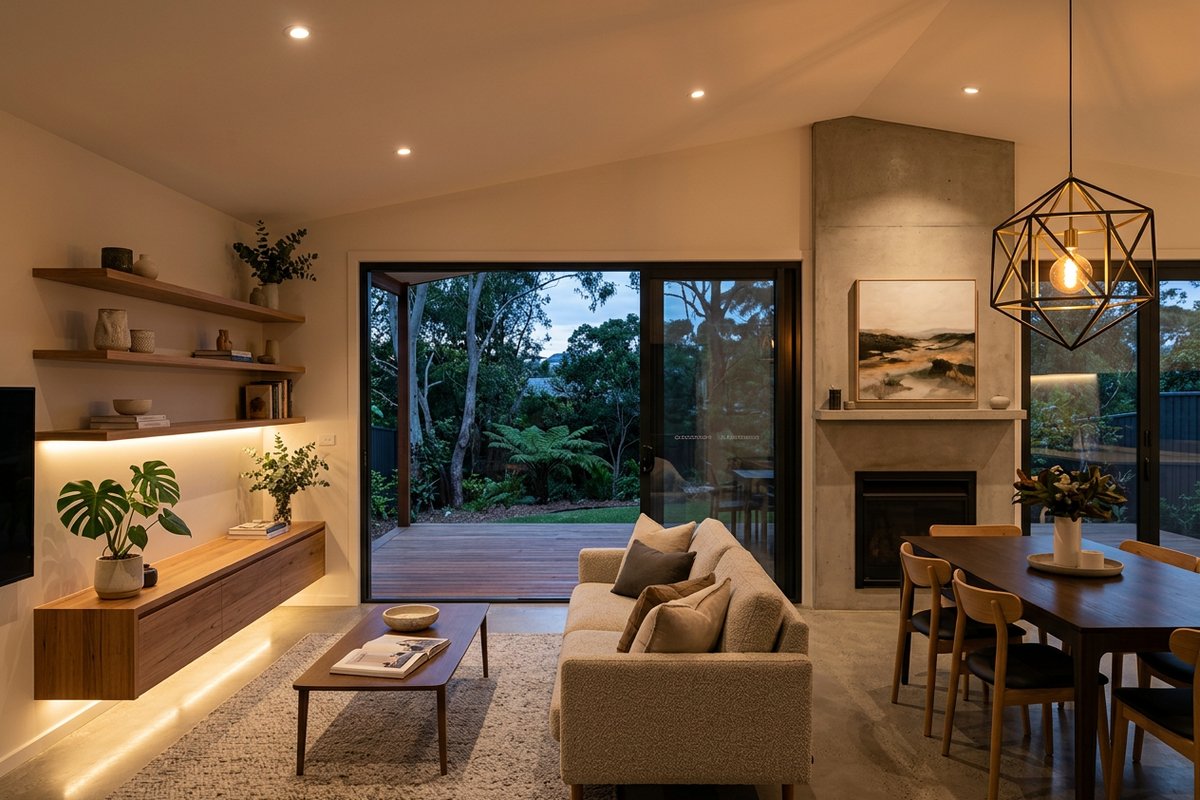
Well-designed lighting works in three layers. Ambient lighting is the general light that fills a room, ceiling fittings, downlights, or a combination. Task lighting is focused light where work happens: over a kitchen bench, beside a reading chair, at a desk, or in front of a bathroom mirror. Accent lighting adds depth and mood, strip lighting under cabinetry, a pendant over a dining table, or lighting that highlights a feature wall or artwork.
Most homes have only the first layer, and often not enough of it. Adding task and accent lighting is where a room gains both function and atmosphere. A kitchen with downlights plus under-cabinet strip lighting is far more usable than one relying on ceiling lights that cast shadows over the bench. A living area with a couple of switchable accent options can shift from bright and practical to relaxed in an instant.
Pendants, Strips and Feature Lighting
LED technology has opened up lighting options that weren't practical before. LED strip lighting runs cool and slim, so it can tuck under cabinets, along shelves, behind a bed head, or into a stair edge. Pendants over an island bench or dining table add both light and a design anchor to a room. These additions usually need new wiring points and switching, which is where a licensed electrician plans the circuit and switching so the new lights are controllable in a way that makes sense, not all wired to one switch.
Outdoor and Sensor Lighting
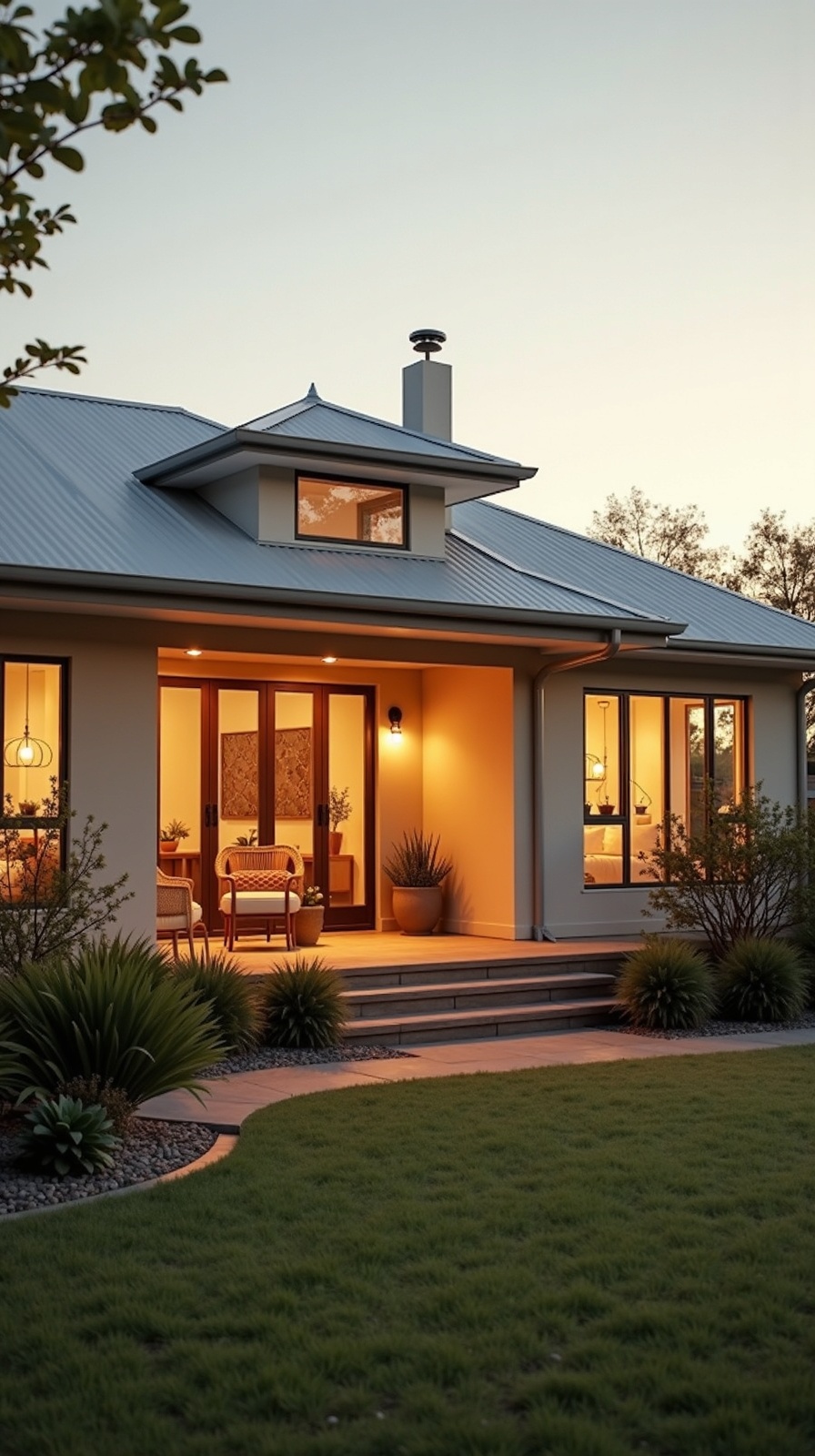
Outdoor lighting earns its place on a Central Coast home, both for safety and for using outdoor areas after dark. Path and step lighting, wall lights at entries, and lighting over an alfresco area extend the living space outside. Sensor lighting adds security and convenience, lights that come on as someone approaches the front door, the garage, or a side path deter unwanted visitors and mean nobody fumbles for a switch with hands full. Outdoor fittings near the coast need to be weather- and corrosion-rated, and the wiring has to suit an outdoor environment, so this is licensed work.
Smart and Controlled Lighting
Lighting control has become one of the more popular upgrades. Dimming, zoning, timers, and app or voice control let a home's lighting adapt through the day without rewiring every time preferences change. The options range from simple smart switches that replace existing ones, through to fuller systems integrated with home automation. An electrician advises what suits the home and the wiring, and ensures any smart switching is installed safely rather than relying on plug-in workarounds.
Planning Beats Piecemeal
The homes that end up with lighting they love almost always planned it as a whole rather than adding fittings one purchase at a time. Walking through each room and asking what happens there, where people cook, read, work, relax, and move through, tells you what each layer needs before a single fitting is bought. Planning also lets the wiring and switching be set up once, sensibly, rather than patched repeatedly. It's far cheaper to run a circuit for a future pendant or strip while a ceiling is open or a room is being painted than to come back for it later. Good lighting is also increasingly noticed by buyers: a well-lit, well-zoned home shows better and feels more considered, so the upgrade tends to pay back in liveability now and appeal later. An electrician can help map the plan so it's done in the right order.
Frequently Asked Questions
What's the difference between a lighting upgrade and just changing globes?
Changing globes swaps the light source; a lighting upgrade rethinks how the whole space is lit, adding task and accent layers, new fittings, switching, and control. The result is a room that works better and feels better, not just one with brighter bulbs.
Is LED strip lighting safe to install at home?
The strips themselves are low-voltage, but connecting them to the mains supply and installing the driver is electrical work that should be done by a licensed electrician. Done properly, LED strip lighting runs cool and reliably for years.
Can I add smart lighting without rewiring the house?
Often, yes. Smart switches can replace existing switches, and many lighting upgrades work within the existing wiring. More extensive automation may need additional wiring, which an electrician scopes based on what the home already has.
Is outdoor lighting worth it on a coastal home?
Yes, for safety, security, and making outdoor areas usable after dark. The key is using fittings rated for outdoor and coastal conditions, since standard indoor fittings corrode quickly near the coast. An electrician selects and installs the right fittings.
Planning a Lighting Upgrade in Terrigal?
Get a free, no-obligation quote from a local licensed electrician serving Terrigal and the Central Coast.