

Home Battery Storage in Terrigal, Is Now the Right Time to Add One?
The Question Worth Answering First
Is now the right time to add a battery, or is it worth waiting? It's the most common question Central Coast homeowners ask once they've had solar for a year or two and watched their feed-in tariff shrink. There's no single answer, but there is a clear way to think it through, and it has more to do with how a household uses power than with the battery itself. Working through that logic first is what stops a battery becoming an expensive purchase that never quite pays its way.
What a Battery Actually Changes
Without storage, solar energy a home doesn't use during the day is exported to the grid for a feed-in tariff that keeps falling. In the evening, when the panels have stopped and the household is cooking, heating, and watching TV, that power is bought back from the grid at full price. A battery closes that gap: it holds the daytime surplus and releases it at night, so more of the energy a system generates is used by the home rather than sold cheap and bought back dear.
The size of that benefit depends almost entirely on the evening load. A household that's empty during the day and busy at night has a lot of surplus to store and a lot of expensive evening power to offset, exactly the pattern a battery suits. A household that runs most of its load while the sun is up is already self-consuming, so there's less for a battery to capture and the case is weaker. The honest answer to "is it worth it" starts with looking at when the home actually draws power.
Sizing to the Home, Not the Brochure
Battery capacity is easy to oversell. A battery sized to the evening load and the available daytime surplus does useful work; one sized larger than the home can fill and empty each day spends most of its capacity idle, earning nothing. The right size sits at the point where the battery fills most days from surplus and discharges most evenings into real demand.
Three numbers make that decision concrete: how much surplus is currently being exported (the monitoring app shows this), how much power the home draws after sunset, and whether blackout backup matters. Getting those clear before talking capacity keeps the conversation grounded in the home rather than the product range.
Backup Is a Separate Decision
Many homeowners assume any battery keeps the lights on during an outage. It doesn't automatically. Blackout backup requires the system to be configured for it, often with a dedicated backup circuit so essential loads, a fridge, some lights, the internet, stay running while the rest of the house is isolated. Not every battery or inverter supports backup, and the ones that do need to be wired for it specifically. If keeping the power on through an outage is a priority, it has to be raised at the quoting stage rather than assumed, because adding it later can mean reworking the install.
Retrofit Now or Time It With the Inverter
A home with a hybrid inverter can usually add a battery as a relatively clean upgrade. A home with a standard string inverter has two paths: swap the inverter for a hybrid, or add a separate battery inverter alongside it. Both work, and which makes sense depends on the age and warranty of the existing inverter. This is the point where waiting can be the right call, if an inverter is near end of life anyway, timing a battery with its replacement avoids paying for inverter work twice. For a newer hybrid system, there's less reason to wait beyond budget and the household's own appetite for the project.
Frequently Asked Questions
Will a battery make my home completely independent of the grid?
For most homes, no, and that's usually not the goal. A battery shifts a large share of evening usage off the grid, but going fully off-grid needs a much larger and more expensive setup that rarely makes sense for a connected suburban home. The practical aim is to lean on the grid far less, not to leave it entirely.
Where does a home battery get installed?
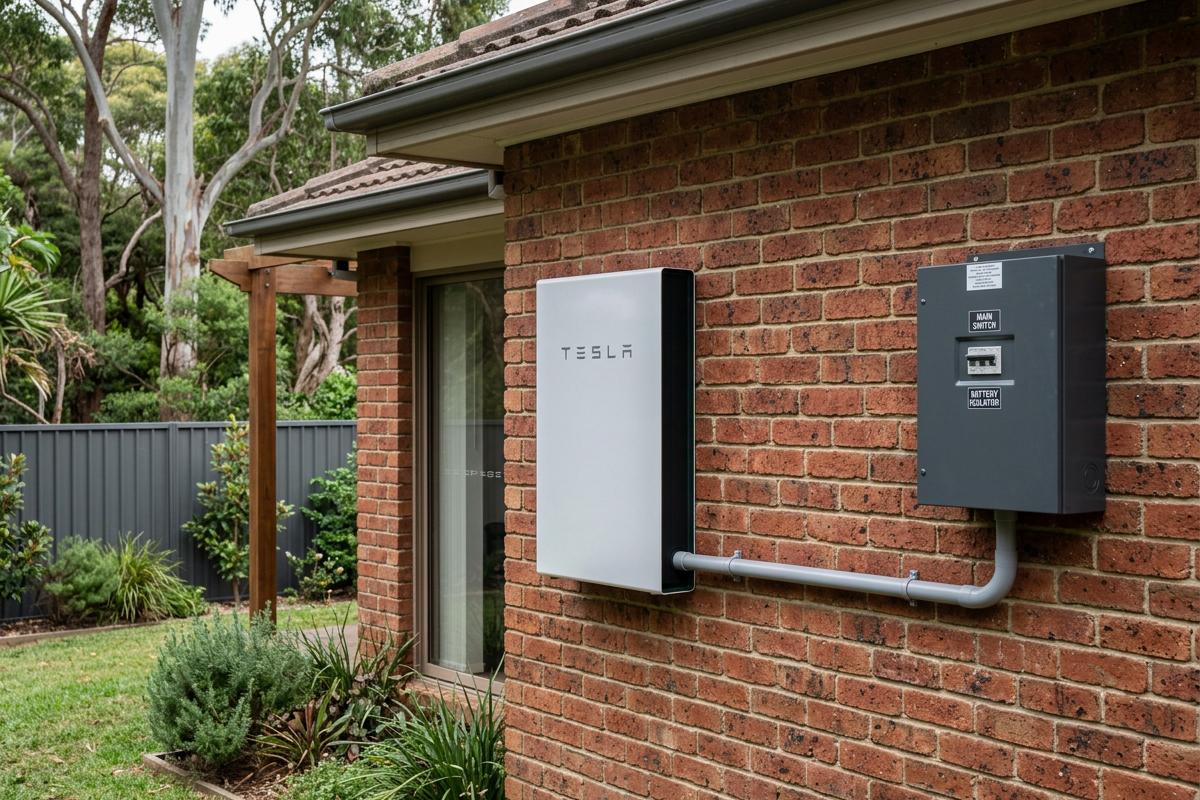
Typically on an exterior wall in a shaded, ventilated spot, close to the switchboard and inverter. The installer assesses the location for temperature, access, and clearance during the site visit, since heat and exposure affect how well a battery performs over its life.
Do batteries need an SAA-accredited installer?
Yes. Battery installation falls under SAA accreditation categories, and using an accredited installer is what keeps the system compliant and eligible for any applicable incentives. It's worth confirming the installer holds the right category before the work goes ahead.
How long do home batteries last?
Manufacturers warrant batteries for a set number of years or charge cycles. Real-world life depends on how hard the battery is cycled and the conditions it's installed in, which is another reason correct sizing and a sensible installation location matter as much as the brand on the box.
Weighing Up a Battery in Terrigal?
Get a free, no-obligation site assessment from a local licensed electrician serving Terrigal and the Central Coast.