

What a Certificate of Compliance Means for Terrigal Homeowners
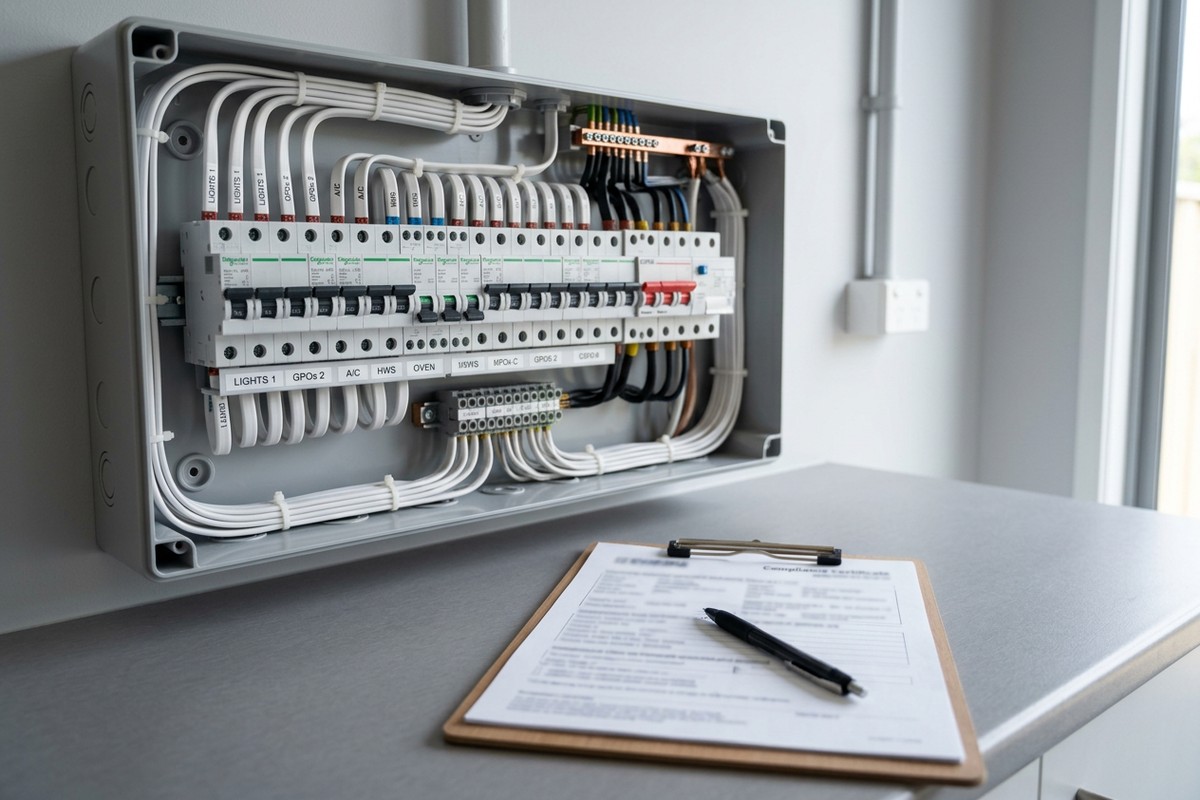
The Document Worth Keeping
After electrical work is done, you should receive a document many homeowners glance at and file away without much thought, or never receive at all. The Certificate of Compliance for Electrical Work (CCEW) is more important than it looks. It's your proof that electrical work in your home was done legally, by a licensed person, to Australian standards. For Terrigal homeowners, understanding what it is and when you should have one protects you in ways that only become obvious when something's at stake, an insurance claim, a sale, or a safety question.
What a CCEW Actually Is
A Certificate of Compliance for Electrical Work is issued by the licensed electrician who carried out the work, certifying that the work complies with the relevant standards and the wiring rules. In NSW it's a requirement for electrical work, and a copy goes to you as the homeowner. It identifies the electrician, describes the work done, and confirms it was tested and found compliant. In essence, it's the paper trail that links the work in your home to a qualified, accountable professional.
Why It Matters
The certificate quietly underpins several things. For insurance, it's evidence that electrical work was done properly, and if a fault or fire is ever traced to electrical work, an insurer may want to see that the work was compliant. Unlicensed or undocumented work can complicate or jeopardise a claim. For selling a home, being able to show that electrical work was done by licensed professionals and certified gives buyers confidence and avoids questions during the sale. And for your own peace of mind, it confirms the work that's now part of your home's wiring was done to standard, not improvised.
When You Should Get One
You should receive a compliance certificate for electrical installation work, new circuits, a switchboard upgrade, a rewire, additions, and similar work. If an electrician completes notable work and doesn't provide one, it's reasonable to ask: a licensed professional issues them as a matter of course. The flip side is a useful test when choosing who does your work, anyone reluctant to provide a compliance certificate, or who isn't in a position to, is a red flag about their licensing and the legitimacy of the work.
Keeping and Using Yours
Treat compliance certificates like other important home documents, keep them with your records, ideally alongside any paperwork for the work and the home. When you sell, they're worth gathering up to demonstrate the electrical work history. If you've had work done and aren't sure whether you received certificates, it's worth checking your records, and for significant past work where none exists, an electrician can advise on options. Building the habit of asking for and keeping the certificate every time work is done means you're never caught without it when it counts.
Compliance Certificate vs Safety Inspection
It helps to know the difference between two things that sound similar. A compliance certificate is tied to specific work, it certifies that the job just completed was done to standard. A safety inspection, by contrast, is an assessment of an existing installation's overall condition, whether or not any new work was done. They serve different purposes: the certificate documents what was done, the inspection tells you the state of what's already there. A homeowner buying an older property, or one who hasn't had the wiring looked at in many years, benefits from a safety inspection regardless of whether recent work generated a certificate. When new work is done, the certificate should follow automatically; when you want reassurance about the system as a whole, that's an inspection you request. Both are issued by a licensed electrician, and together they cover both the work done and the condition of the installation around it.
Frequently Asked Questions
What is a Certificate of Compliance for Electrical Work?
It's a document issued by the licensed electrician who did the work, certifying that the work complies with Australian standards and the wiring rules. It identifies the electrician and the work done, and a copy goes to you as the homeowner as proof the work was done properly.
Do I need a compliance certificate for small electrical jobs?
Compliance certification applies to electrical installation work, and licensed electricians issue certificates as standard practice for the work they do. If you're unsure whether a particular job warrants one, ask the electrician, a reluctance to provide one is itself a warning sign.
Why does a compliance certificate matter for insurance?
It's evidence that electrical work in your home was done by a licensed person to standard. If a fault or fire is ever linked to electrical work, an insurer may look at whether it was compliant, and unlicensed or undocumented work can complicate a claim. The certificate is your proof.
What if I don't have certificates for past work?
Check your home records first, as they're often filed with other paperwork. For significant past work where no certificate exists, a licensed electrician can inspect the installation and advise on the options. Going forward, asking for and keeping the certificate each time is the simplest protection.
Need Electrical Work Done Right in Terrigal?
Get a free, no-obligation quote from a local licensed electrician serving Terrigal and the Central Coast, fully licensed, with compliance certification provided.